What is Play Therapy?
Play Therapy is a therapeutic intervention that helps children to understand and make sense of feelings and events that have not had the chance to be sorted out properly. It is a child centred approach and is most commonly used with children from 3 to 12 years of age.
With more traditional talking therapies there is an emphasis on talking about worries and concerns, with Play Therapy children use play to express themselves and to communicate in the way that is most useful and appropriate for them.
Non-Directive Play Therapy ensures that children do not in any way feel pressured or interrogated as the therapist is lead by the child, moving at their pace and without asking directional questions. Through being enabled to explore feelings through play, a child can feel more empowered and their self-esteem and feelings of self worth can significantly increase.
Younger children often struggle to say how they are feeling with words, but with play they can express themselves without the need to verbalise how they are feeling. Non-directive Play Therapy has a belief that given the right conditions, children will ultimately move to a more positive place. These conditions are imparted through:
- providing a familiar play room with a consistent selection of toys and materials
- holding Play Therapy sessions on a consistent and predictable day and time, lasting the same amount of time
- having a consistent Play Therapist who deeply listens and conveys feelings of genuineness, acceptance and warmth to the child
“play is the child’s language and the toys are their words” – Garry Landreth
Some unique features of Play Therapy:
- in the play room with the therapist, the child is not in the role of son, daughter, brother, sister, student, foster child, friend etc they are encouraged to just be themselves
- the child is able to express all feelings and emotions in a safe and contained space
- there is great importance placed on witnessing the child and what they are expressing through their play. This is far more powerful than the therapist trying to interpret their every move or expression
- this intervention provides consistency and predictability and the importance of these cannot be underestimated for children who have experienced unpredictable, inconsistent or traumatic experiences
“today you are you, that is truer than true. There is no one alive who is youer than you” – Dr Seuss

The play room
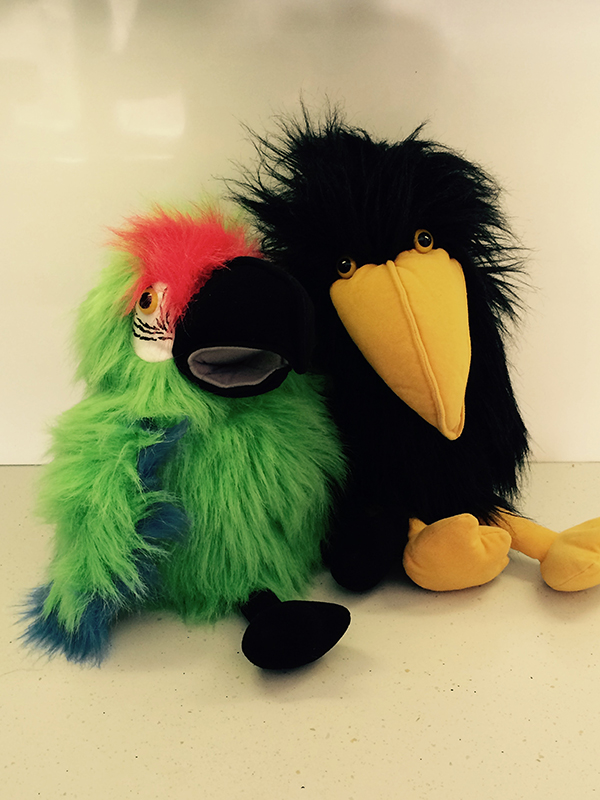
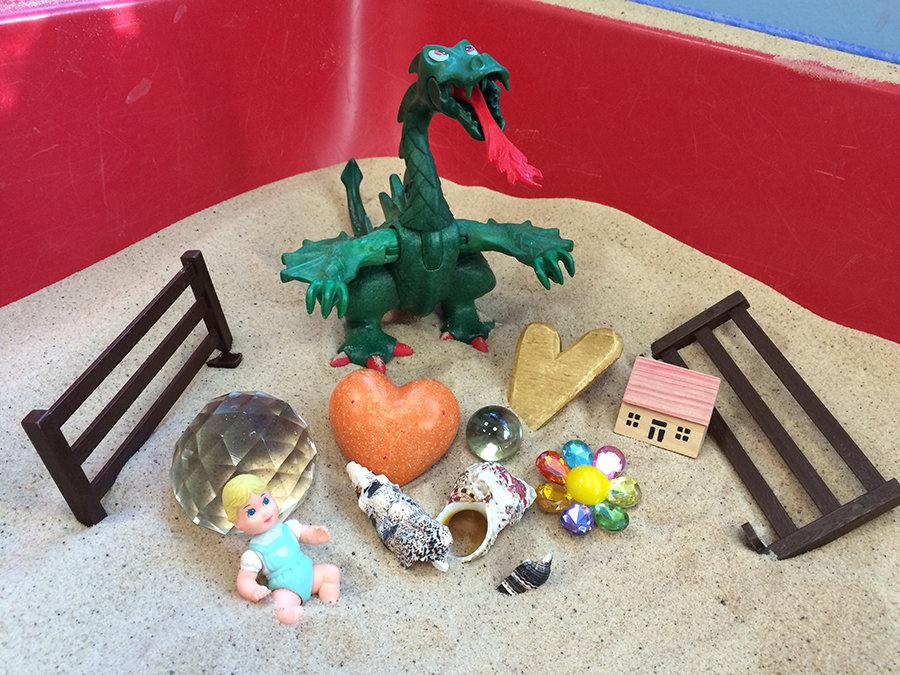
The toys and materials in the play room are wide ranging so that there is the highest likelihood of meeting a child’s sensory and emotional needs. These may include; sand, clay, art materials, puppets, dolls house, home corner, dolls, dressing up clothes, cars and small and large action figures. Electronic games do not feature in a Play Therapy room as the child is encouraged to use their imagination and to be creative.
“The imagination is the only way of containing, expressing and, as a result, possibly resolving otherwise unspeakable and intolerable emotions” – Dennis McCarthy
The play room includes the same toys (as far as possible) and is set up in the same way for every session, enabling consistency and predictability.
Who Might Play Therapy Help?
- children who have emotional, behavioural or learning difficulties
- children and young people who have experienced early life abuse
and/or trauma including abuse and neglect
- children who have experienced loss and separation from their family due to now not living in their care, bereavement or family breakdown
- children who have witnessed domestic violence or the abuse of substances
- children with attachment difficulties
- children who are displaying anger or are generally really cross
- children who are fostered or who have been adopted
- children who are withdrawn, have low self esteem or who are very unconfident
Known Outcomes of Play Therapy
- Improvement of a child’s behaviour; less aggression and calmer leading to improved relationships with others
- The child has a stronger sense of self, increased confidence and feelings of self worth
- an improved understanding of the consequences of actions (through limit setting), leading to an increase in self responsibility and therefore more positive behaviour
- stronger attachments within families leading to more healthy relationships and also placement stability for children who are fostered
The British Association of Play Therapists
The British Association of Play Therapists (BAPT) is the first and foremost professional body for Play Therapists in the United Kingdom
BAPT currently define Play Therapy as:
The dynamic process between child and Play Therapist in which the child explores at his or her own pace and with his or her own agenda those issues, past and current, conscious and unconscious, that are affecting the child’s life in the present. The child’s inner resources are enabled by the therapeutic alliance to bring about growth and change. Play Therapy is child-centred, in which play is the primary medium and speech is the secondary medium’. Play Therapy encompasses many approaches but the foundation of all approaches is child-centred
For further information on Play Therapy and to search for BAPT registered Play Therapists, go to www.bapt.info